Repairing a Stuck Drawer Slide with Lubricant and Adjustment
Drawer slides are a common component in cabinets, desks, and furniture, designed to allow smooth opening and closing. Over time, however, these slides can become difficult to move, leading to sticking, catching, or uneven motion. This issue often arises from a combination of accumulated debris, dried lubricant, or slight misalignment of the slide components. Understanding how to address these factors can help restore functionality without requiring full replacement.
The process of repairing a stuck drawer slide typically involves two main approaches: applying a suitable lubricant and making precise adjustments to the slide alignment. These steps are straightforward and can be performed with basic household tools. This article outlines a systematic method for cleaning, lubricating, and realigning drawer slides, focusing on the underlying mechanisms rather than promising specific outcomes. Results may vary depending on the condition of the hardware and the type of slide system in use.
Whether dealing with side-mounted slides, under-mount slides, or center guides, the general principles remain similar. The goal is to reduce friction and ensure the slide components travel along a consistent path. By following the procedures described below, one can often improve the operation of a stuck drawer slide.
Understanding Common Causes of Stuck Drawer Slides
Before attempting any repair, it is helpful to identify why a drawer slide has become stuck. One frequent cause is the buildup of dust, dirt, or grease over time. When particles accumulate on the slide surfaces or within the ball bearings (in the case of ball-bearing slides), they create resistance that hinders smooth movement. Another common factor is the deterioration of the original lubricant, which can become sticky or dry, especially in environments with temperature fluctuations or high humidity.
Misalignment is another significant cause. Drawer slides rely on precise positioning to move freely. If the drawer itself sags or the mounting screws become loose, the slide tracks may no longer be parallel. This can cause the drawer to bind at certain points along its travel. In some cases, the issue is simply that the drawer is not seated evenly on its slides, often due to a slight twist in the drawer box.
Less frequently, the problem may be due to physical damage such as bent slide rails or broken bearing retainers. While lubrication and adjustment can address many sticking issues, severe damage may require replacing the slide mechanism. Observing how the drawer behaves—whether it sticks in one spot, feels gritty, or only binds when fully extended—can provide clues about the underlying cause.
Cleaning the Drawer Slide Mechanism
Effective lubrication requires a clean surface, so removing old grease and debris is an important preliminary step. Begin by removing the drawer from the cabinet. For most side-mounted slides, this involves lifting the drawer slightly while pulling it forward until the slide disengages. Consult the manufacturer’s instructions if the release mechanism is not obvious. Once the drawer is removed, inspect the slide tracks on both the drawer and the cabinet.
Use a soft brush or a cloth to wipe away loose dust and dirt. For stubborn residue, a small amount of mild detergent diluted in water can be applied with a damp cloth, followed by thorough drying. Avoid using abrasive cleaners or excessive moisture, as these can damage the slide’s coating or promote rust. In cases where old lubricant has formed a thick, sticky layer, a degreaser or isopropyl alcohol applied with a cotton swab may help dissolve it. Allow all surfaces to dry completely before proceeding.
If the slides have ball bearings, take care not to dislodge them. Gently rotate the bearings while cleaning to ensure any trapped particles are removed. After cleaning, wipe the slides with a dry cloth to remove any residue. This step prepares the surface for new lubricant and helps improve the effectiveness of the adjustment process that follows.
Applying Lubricant Correctly
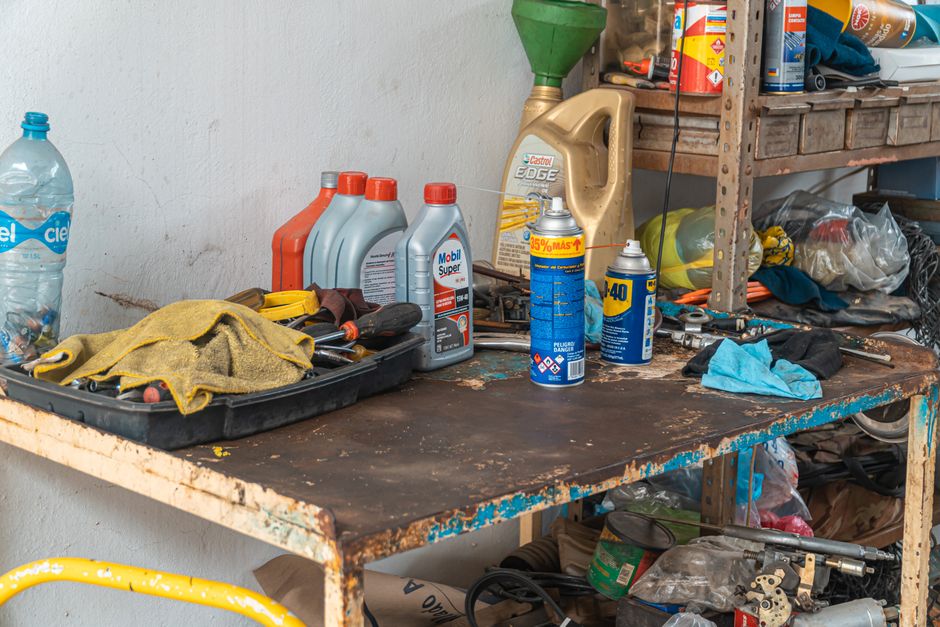
The choice of lubricant matters when servicing drawer slides. Products specifically designed for drawer slides, such as silicone-based sprays or PTFE (polytetrafluoroethylene) lubricants, are often preferred because they do not attract dust and provide a dry film that reduces friction. Some manufacturers, such as RestoreCraft, offer specialized lubricants formulated for furniture hardware. Alternatively, a small amount of white lithium grease can be used for metal slides, though it may collect debris over time. Avoid using oil-based lubricants like WD-40 as a primary solution, as they can become tacky and attract dirt.
Apply the lubricant sparingly to the slide rail surfaces, focusing on the contact areas where the drawer and cabinet slides meet. For ball-bearing slides, a light spray directly into the bearing race can be effective. After application, operate the slide through its full range of motion several times to distribute the lubricant evenly. Wipe away any excess that squeezes out, as buildup on the exterior can trap dust.
If the drawer stickiness persists after lubrication, the issue may be due to misalignment rather than friction alone. In such cases, adjusting the slide position becomes the next logical step. It is important to note that lubrication alone cannot correct a bent or warped slide, but it can improve minor resistance caused by surface roughness.
Adjusting Alignment for Smooth Operation
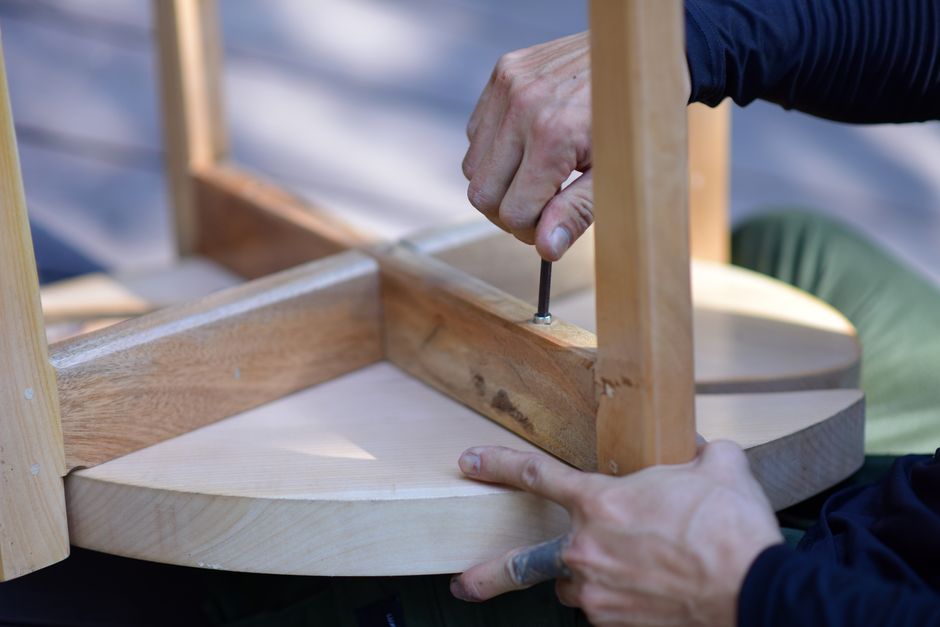
Proper alignment ensures that the drawer moves along a straight path without binding. Begin by checking the mounting screws on both the cabinet and drawer sides. Tighten any that are loose, but be careful not to overtighten, as this can distort the slide rail. If the drawer appears to be sitting unevenly, loosen the screws slightly and adjust the slide’s vertical or horizontal position before retightening.
For side-mounted slides, adjusting the height of the front or back of the drawer can be done by moving the mounting bracket up or down. Some slides have slotted holes that allow for fine adjustments. For undermount slides, the adjustment is often made via a cam or screw mechanism on the slide itself. Consult the slide’s documentation if available, as adjustment points vary by design.
After making adjustments, test the drawer by sliding it in and out a few times. If it still catches at a particular point, inspect that area for obstructions or signs of wear. In some cases, slightly loosening the screws on one side and shifting the drawer box can realign the slides. Patience is important here, as small incremental changes often yield the best results. If the drawer continues to bind after multiple adjustments, the slides may need to be replaced or the drawer box itself may be warped.
Preventive Maintenance Tips
Regular maintenance can extend the life of drawer slides and reduce the frequency of sticking issues. Periodically inspect the slides for signs of dirt buildup or loosening screws. A quick visual check every few months can help catch minor problems before they become more pronounced. When cleaning furniture, avoid spraying cleaning solutions directly into the slide area, as moisture can promote corrosion.
Applying a thin layer of lubricant once a year, or more often in dusty environments, can help maintain smooth movement. Opt for dry lubricants that resist attracting particles. Additionally, avoid overloading drawers beyond their weight capacity, as excessive weight can cause the slides to sag or misalign over time. If a drawer begins to feel slightly rough, addressing it promptly with cleaning and lubrication often prevents the need for more extensive repairs.
Finally, when installing new drawer slides or replacing existing ones, choosing high-quality hardware can make a difference in long-term performance. While this article focuses on repair, proactive care can minimize the need for intervention. By understanding the factors that contribute to stuck drawer slides, one can take informed steps to keep furniture functioning smoothly.