Hardware Repair
Techniques for fixing loose joints, handles, and drawer mechanisms.
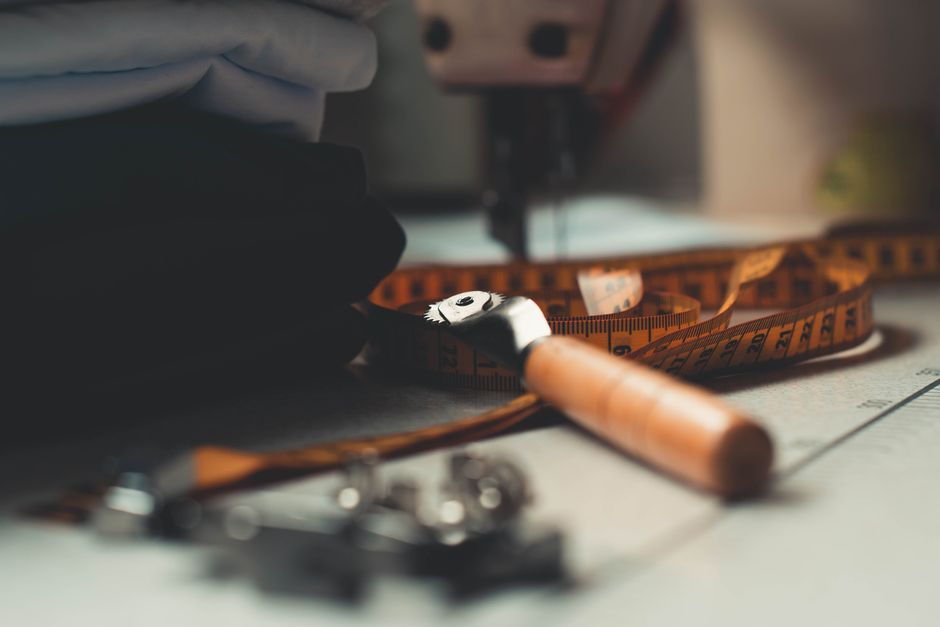
Techniques for fixing loose joints, handles, and drawer mechanisms.
Step-by-step guides for replacing fabric on chairs and sofas.
Approaches for minimizing visible surface imperfections on wood.
Safe cleaning routines to preserve finishes and extend furniture life.
Restoring furniture at home involves a combination of careful observation and methodical application. Each project, whether repairing a wobbly table leg or refreshing a worn seat cushion, benefits from understanding the underlying structure and materials. By following documented procedures and using appropriate tools, enthusiasts can address common issues effectively.
Among the frequently encountered tasks are hardware repairs, such as tightening loose screws or replacing broken hinges. Similarly, reupholstery requires removing old fabric, inspecting the padding, and attaching new material with consistent tension. For wooden surfaces, shallow scratches can be reduced using wax fillers or touch-up markers, while deeper gouges may require wood filler and sanding.
Maintenance extends beyond repairs: regular dusting, occasional conditioning with appropriate oils, and protecting surfaces from direct sunlight are all part of a comprehensive care routine. The techniques described here serve as starting points; results depend on the specific condition of each piece and the user’s application.
Receive step-by-step instructions for fixing hardware, updating upholstery, and removing scratches. Each newsletter includes actionable advice to help you extend the life of your furniture.